Simple ways to get enough when you are tired of shakes, tracking, and making separate meals.
Somewhere along the way, eating enough protein became a whole production. There are calculators to figure out how much you need, apps to track every gram, powders to mix into practically anything, and a growing collection of products that seem determined to turn every snack into a protein snack.
I understand the interest. Protein is important, especially as we get older and begin paying closer attention to maintaining muscle and strength. But I also think we’ve managed to make something fairly ordinary feel unnecessarily complicated.
I’ve paid more attention to protein while making changes to my own eating habits. I’ve used protein shakes, looked more carefully at what goes into my meals, and experimented with ways to make eating well a little easier. What I don’t want is to spend the rest of my life calculating every bite or preparing an entirely different dinner from everyone else.
Fortunately, there are simpler ways to approach it.
Start with the food you’re already eating
One of the easiest changes is to look at meals you enjoy and see where protein fits naturally. You don’t necessarily need new recipes, specialty groceries, or an elaborate meal-preparation schedule.
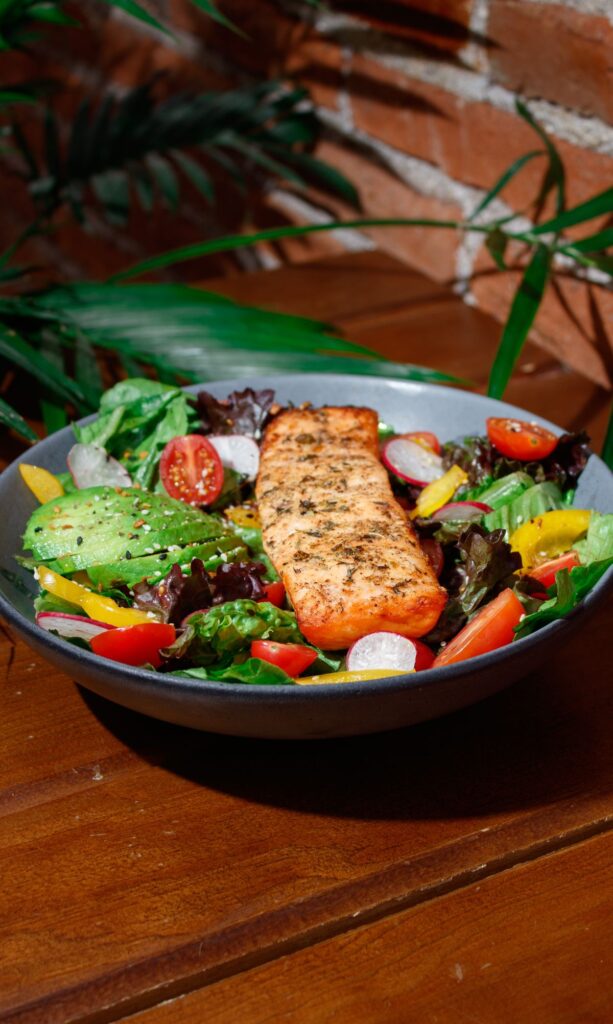
Take a salad, for example. Vegetables are a good starting point, but adding grilled chicken, salmon, eggs, beans, or tofu can make it a more substantial meal. A stir-fry can include shrimp or chicken alongside the vegetables. Leftover salmon can become lunch the next day with rice, greens, and avocado.
I also like meals that don’t require much explanation. Eggs with sautéed vegetables, chicken with roasted potatoes, or a bowl of rice with tofu and mushrooms are all familiar foods that can be adjusted according to what you have available.
The idea is to make a meal more nourishing without turning dinner into another assignment.
You can take a break from protein shakes
Protein shakes have their place. They’re convenient when you’re short on time, have difficulty meeting your nutritional needs through food alone, or simply enjoy them.
But sometimes you want to eat something instead of drinking it.
There’s no reason to force yourself through another shake when ordinary food would work just as well for your circumstances. Eggs, fish, poultry, beans, lentils, tofu, edamame, and dairy foods, if you eat them, can all contribute protein.
A little planning helps here. Keeping a few hard-boiled eggs in the refrigerator, cooking extra chicken for another meal, or having canned salmon or beans available can make lunch easier when you’re busy.
And if you enjoy a smoothie, have one. You don’t have to choose between using convenient products and eating regular meals. Both can fit.
How much protein is enough?
This is where the conversation deserves a little more nuance.
Protein needs aren’t identical for everyone. Age, body size, physical activity, overall health, and certain medical conditions can influence how much someone needs. Older adults and people doing strength training may have different needs from younger or less active adults. People with certain kidney conditions may also need individualized guidance.
Tracking can help you understand your intake, especially if you’re concerned that you’re consistently falling short. But it doesn’t have to become a permanent part of your day.
If you want a specific target, a registered dietitian or healthcare professional can help you determine an appropriate amount. An online calculator can provide a general estimate, but it doesn’t know your full medical history.
I prefer to think of tracking as a tool rather than a test. Use it when it’s helpful. Reconsider it when it becomes more work than it’s worth.
What happens when you’re tired of cooking?
This is the part that interests me most because it’s where so many good intentions fall apart.
It’s easy to plan balanced meals when you’re feeling organized and motivated. It’s another matter when you’ve had a long day, the refrigerator looks uninspiring, and the last thing you want to do is prepare something complicated.
That’s why I think a few dependable meals are more valuable than a collection of ambitious recipes you rarely make.
Maybe you keep frozen vegetables, eggs, and rice available for a quick meal. Perhaps you cook enough chicken for two or three meals instead of one. Canned fish, beans, and lentils can be useful when you don’t have time to start from scratch.
You can also repeat meals. I know variety is important, but that doesn’t mean every lunch has to be a new culinary experience. You can rotate through familiar options and still eat a varied diet over the course of a week.
And remember that protein is only part of the picture. Vegetables, fruit, whole grains, fiber, healthy fats, and sufficient overall food intake matter too. A meal doesn’t become automatically healthy simply because someone added more protein to it.
Keep the pleasure in eating
I enjoy good food, and I don’t want eating well to mean giving up everything that makes a meal satisfying. Rice, potatoes, bread, sauces, seasonings, and family recipes can still have a place. The goal is to think about the overall balance rather than judging individual ingredients as good or bad.
You can care about nutrition without making food the center of every conversation. You can prepare a balanced dinner on Monday and order takeout on Thursday. One meal doesn’t define your entire eating pattern.
If you’re trying to include more protein, begin with one meal you already eat regularly. Consider whether adding eggs, chicken, fish, tofu, or beans would make sense. If the change works, keep it. If it doesn’t, try something else.
There is plenty of room between ignoring nutrition altogether and making it a full-time occupation. Most of us are looking for somewhere sensible in the middle.
Want a little more structure without adding another complicated routine? The free 7-Day Flowrenity™ Reset offers a practical place to begin.